Furnishing a New Home – Where Do I Begin?

A practical designer’s guide to creating a beautiful, comfortable and cohesive home—without making every decision at once.
Moving into a new home is exciting, but an empty floor plan can leave you wondering what should come first. Should you start with the sofa? The dining table? Rugs? Paint? And how do you make sure everything works together once it arrives?
After more than 26 years in design, I’ve learned that the best results begin with a plan. You don’t have to choose everything at once—you simply need to make the right decisions in the right order.
1. Start With How You Want to Live
Before choosing a single piece of furniture, think about how you’ll actually use your home.
A beautiful room should support your everyday life. Consider where your family spends the most time, whether you entertain often, whether you need pet-friendly or family-friendly fabrics, how formal or casual you want your spaces to feel, and which rooms are most important to complete first.
Your lifestyle should guide the design—not the other way around.
Designer Tip: Choose three words that describe how you want your home to feel. For example: comfortable, sophisticated, welcoming. Those words can become your filter for future decisions.
2. Begin With the Floor Plan
One of the biggest mistakes I see is purchasing furniture before determining the proper scale and layout.
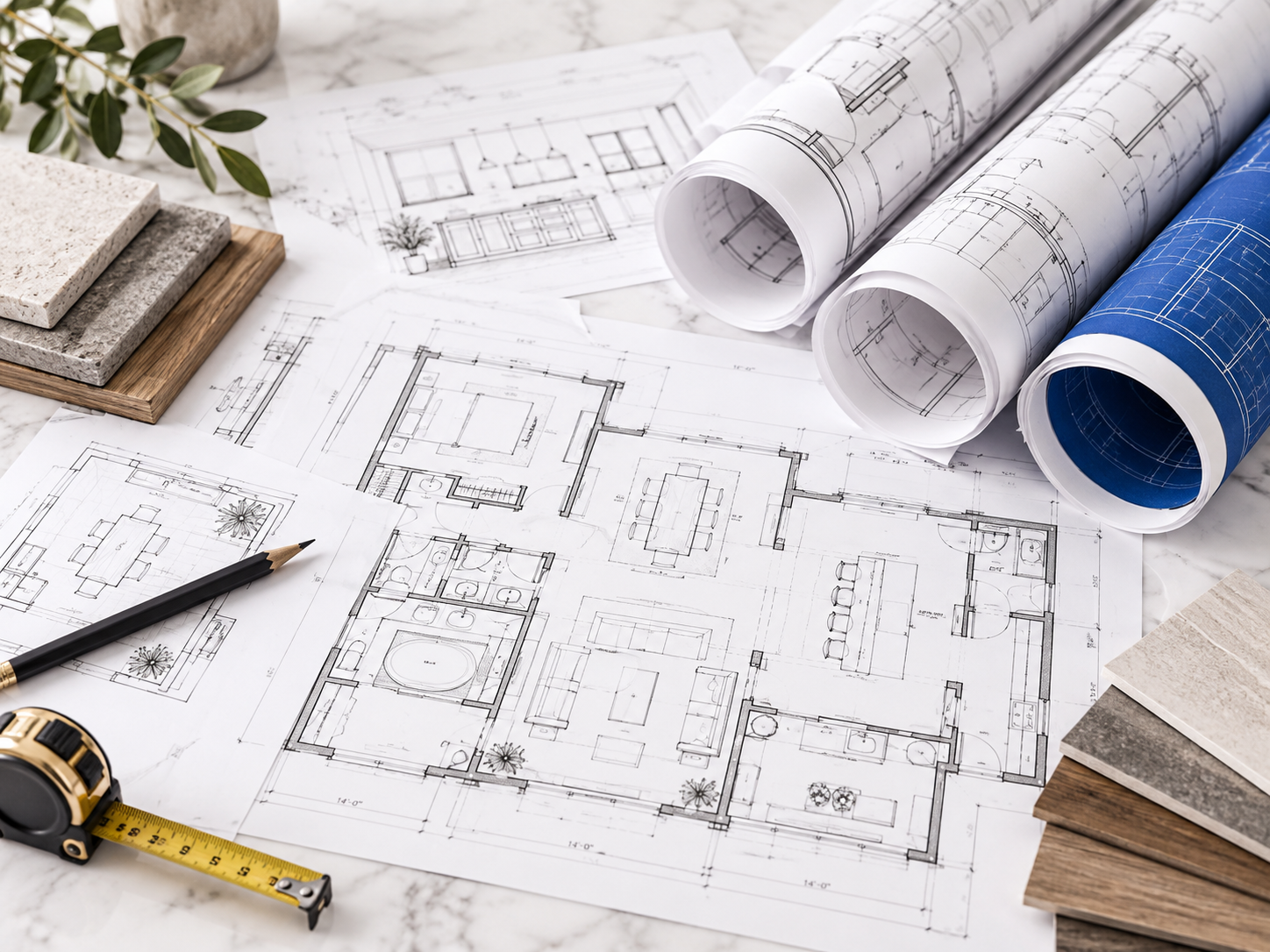
Space planning helps answer important questions before you buy: How large should the sofa be? Is a sectional right for the room? How many dining chairs will comfortably fit? Where should accent chairs go? Is there enough room to walk naturally through the space?
A well-planned room feels comfortable because the furniture works with the architecture instead of fighting it.
Designer Tip: Measure doorways, hallways, elevators and staircases too. A piece can fit beautifully in a room and still be impossible to deliver into the home.
3. Prioritize the Rooms That Matter Most
You do not need to furnish the entire house at once.
Start with the spaces that will have the biggest impact on your daily life. For most homeowners, that means the living or great room, primary bedroom and dining area.
Once those anchor spaces are established, you can build outward into guest rooms, offices, bonus rooms and secondary spaces.
This also gives you time to live in the home and discover what you truly need.
4. Select the Largest Pieces First
Large furnishings establish the scale, function and direction of the room.
Choose your sofa or sectional, dining table, bed and other major case pieces before focusing on smaller items. Once those are established, it becomes much easier to select chairs, occasional tables, rugs, lighting and accessories.
Think foundation first, layers second.
5. Create a Whole-Home Color Story
Your rooms do not need to match, but they should feel connected.
Choose a foundational palette that can move naturally from one room to another. Then allow each space to have its own personality through different accent colors, fabrics, artwork and accessories.
Repeating a few colors or materials throughout the house creates continuity. You might carry a shade of blue through several rooms, repeat a warm wood tone, or use similar brass accents in lighting and hardware.
The result feels collected and intentional rather than overly coordinated.
6. Layer in Rugs, Lighting and Textiles
This is where a furnished room begins to feel like a home.
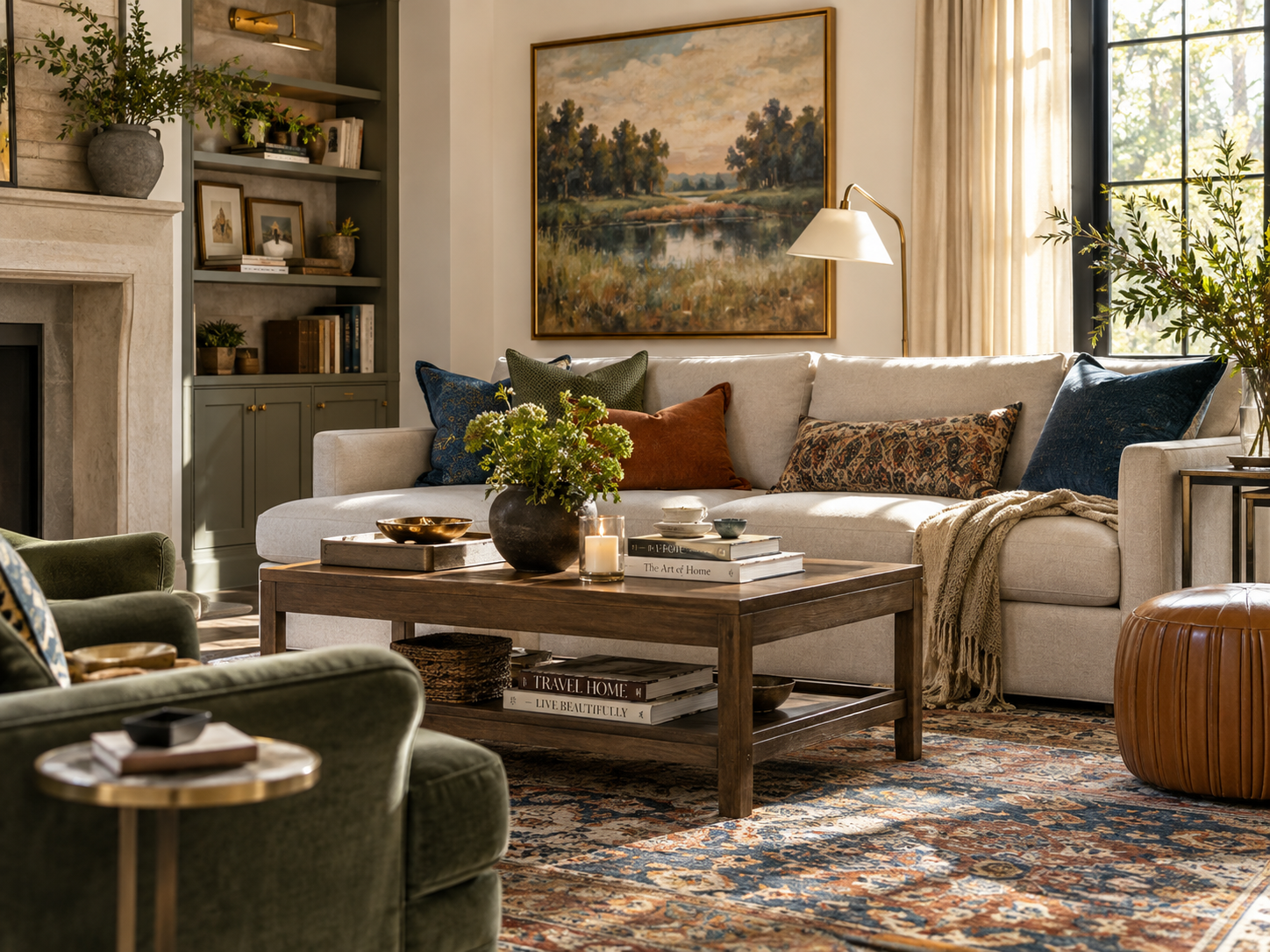
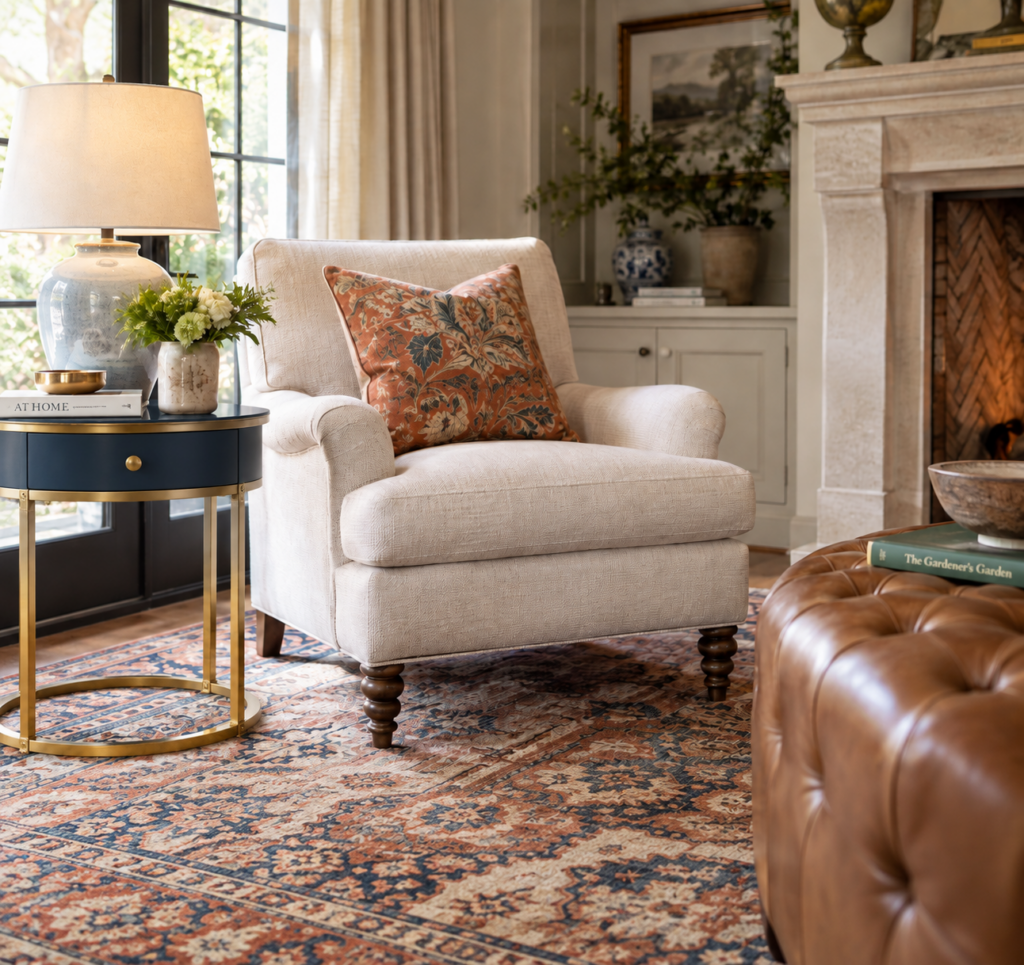
Rugs help define spaces and visually connect furniture. Lighting creates atmosphere and adds another decorative element. Drapery, pillows, throws and upholstered pieces introduce softness, color and pattern.
These layers often make the difference between a room that simply contains furniture and one that feels complete.
Designer Tip: Don’t wait until the very end to think about rugs. Rug size can affect your furniture layout and should be considered early in the planning process.
7. Add the Finishing Details
Accessories should come after the major decisions—not before them.
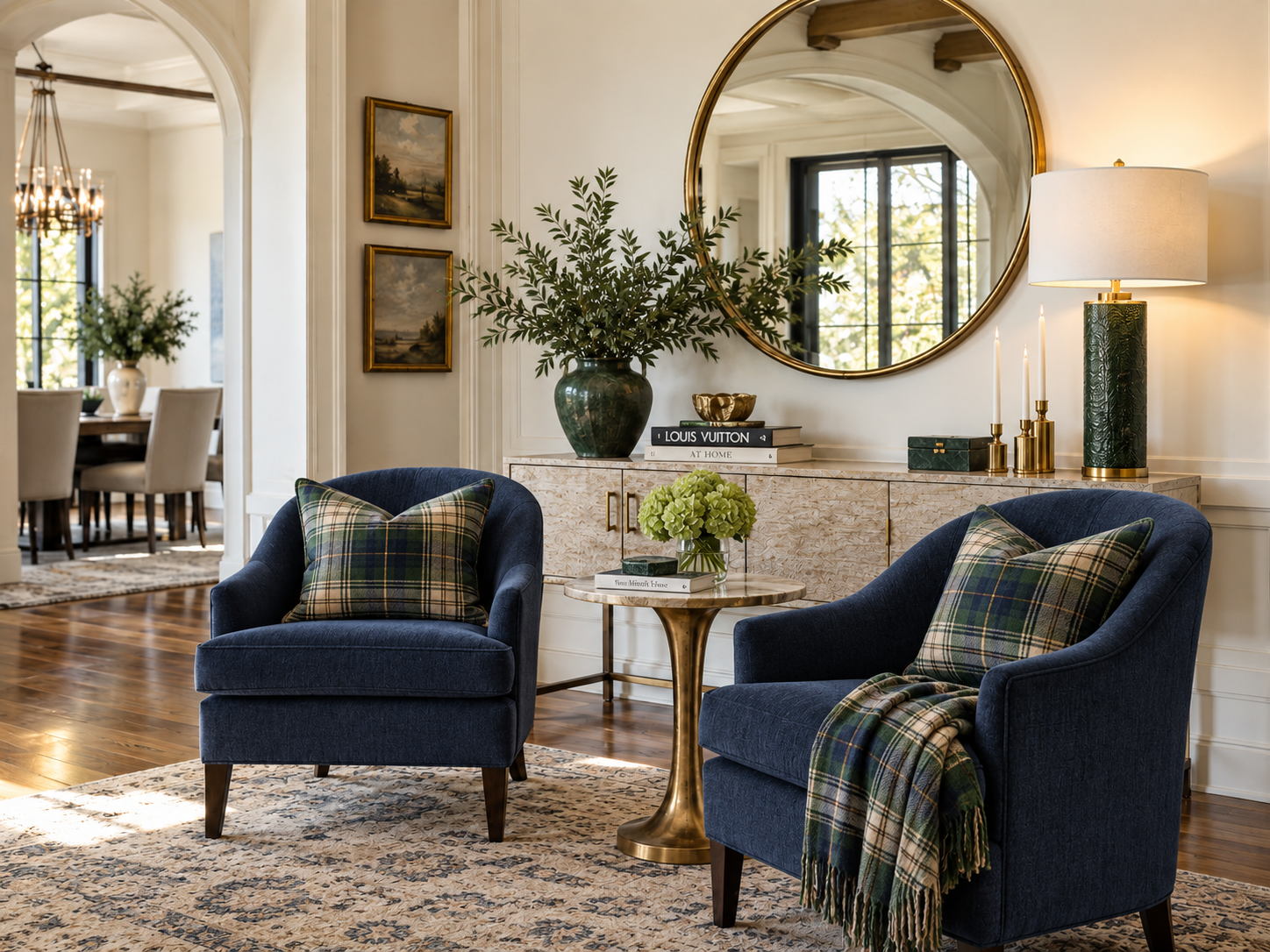
Artwork, mirrors, books, decorative objects, greenery and personal pieces give a home character. These are also the elements that make your home feel uniquely yours.
Not every surface needs to be filled. A few thoughtfully chosen pieces often have more impact than a room full of accessories.
8. Think About the Entire Home, Even If You Furnish It in Stages
Planning the whole picture from the beginning can prevent expensive mistakes later.
You may only be furnishing three rooms today, but knowing the eventual direction for the rest of the home helps you make smarter decisions now.
That could mean choosing a finish that will coordinate with future pieces, reserving a color for another room, or making sure the style of your first purchases will still make sense as the home develops.
9. Give Yourself Permission to Take Your Time
A beautiful home does not have to happen overnight.
Some of the most inviting interiors evolve over time. Start with the important pieces, establish a direction and add layers thoughtfully.
The goal isn’t to simply fill every room.
The goal is to create a home that feels like you.
Your New-Home Furnishing Checklist
Before making major purchases, make sure you have considered:
- Room measurements and furniture layouts
- Your lifestyle and how each room will be used
- A whole-home color direction
- Sofa, sectional and major upholstery
- Dining table and seating
- Primary bedroom furniture
- Rugs
- Lighting
- Fabrics and performance needs
- Window treatments
- Accent tables and storage
- Artwork and accessories
- Delivery access and furniture dimensions
- Budget priorities
- Items that can be added later
A Final Thought
Furnishing a new home involves hundreds of decisions, but those decisions become much easier when they are part of a thoughtful plan.
My role as an Interior Designer is to help you see the big picture, understand your options and make confident choices—from space planning and furniture selection to fabrics, rugs, lighting and the finishing details.
Whether you are furnishing a few rooms or an entire home, you don’t have to figure it all out on your own.
Ready to Start Planning Your Home?
Have a question or simply not sure where to begin? I’d love to hear about your project. There’s no pressure—just friendly, experienced guidance to help point you in the right direction.
Dawn Williams, Interior Designer, dawnwilliams@furniturelandsouth.com